
2017–18ANNUAL ACTIVITY REPORT
49 farm ponds excavated in three villages
7,643 tractor loads of silt excavated from two tanks
127 farmers benefiting from reported tank-desiltation activities
Download source PDF ↓An evidence-first view of selected programme outputs from RVS annual activity reports published for 2017–18, 2018–19 and 2019–20.
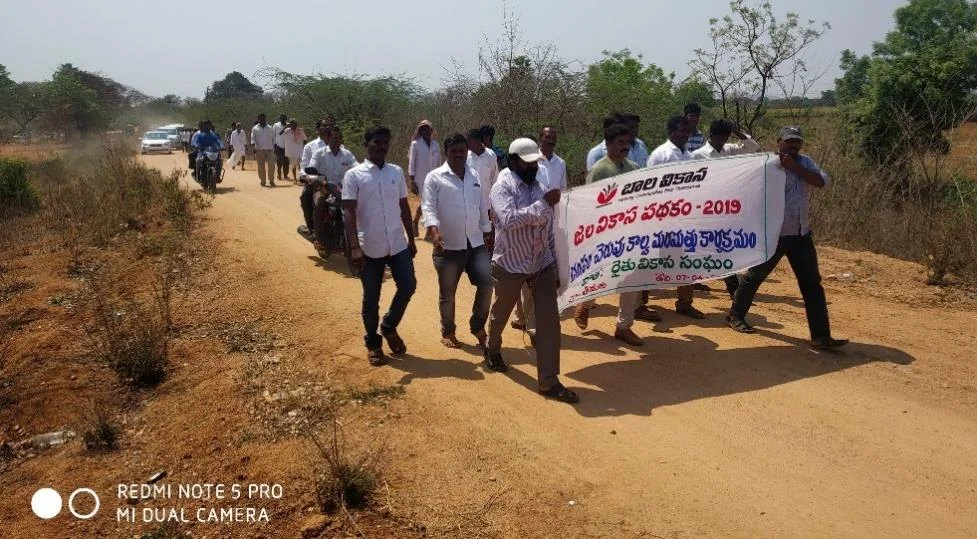 RVS activity report 2019–20
The figures below are drawn from reports supplied for this website. They describe past projects and training outputs, not the organisation’s current 2026 footprint. We do not combine measurements from different projects into an unsupported grand total.
Select figures grouped by reporting year. These are not comprehensive programme totals.
A transparent distinction helps funders and communities understand the strength of available evidence.
Training delivered, ponds excavated, canal length restored, farmers attending conventions.
Directly evidenced in reportsImproved irrigation access or water storage as described by historical programme documentation.
Clearly attributed to the reporting sourceLong-term crop yields, groundwater change, income effects and lasting ecological benefit.
Requires later monitoring dataRead the work that sits behind the figures.
Original reports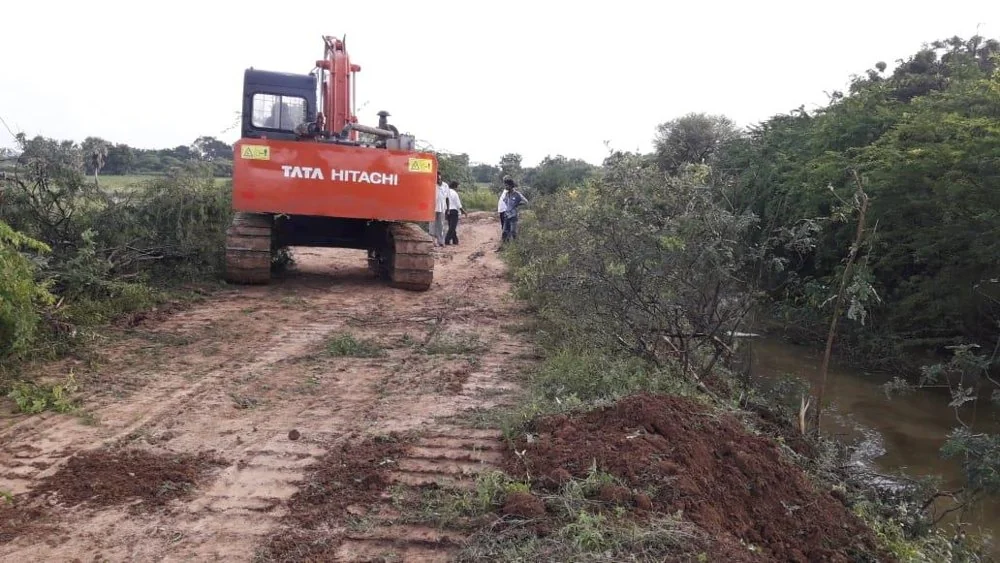
Community-supported renovation connected the Akeru stream to the Dhamusa irrigation tank, with documented farmer contributions from four villages.
Read the field story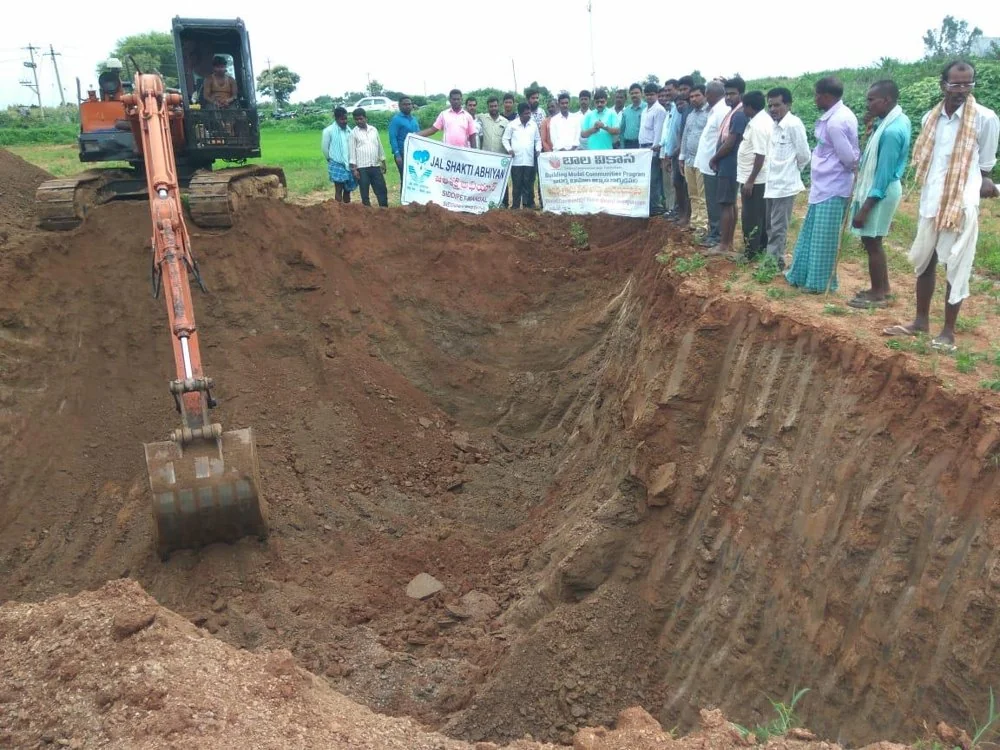
Farm pond excavation in Bussapur added seasonal water storage alongside plantation and fish-seed support.
Read the field story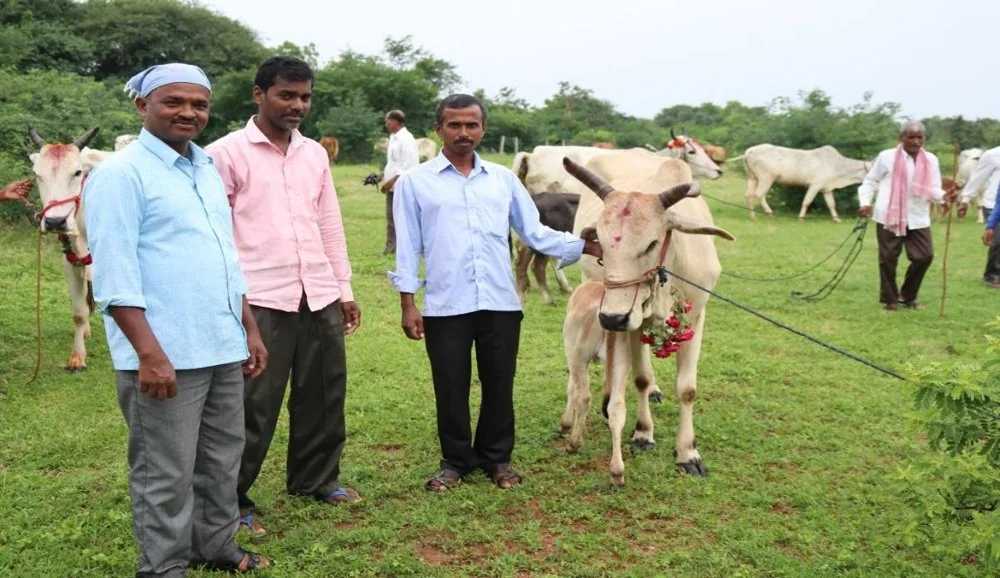
Seasonal learning, exposure visits and group-leader training strengthened the organic-farming programme.
Read the field story